A PRACTICE ON REFINEMENT
Beginning in the Song dynasty (960-1279) with Zhao Xihu’s Dongtian Qinglu (Pure Records of the Grotto Heaven), and followed in the early Ming (1368-1644) with Cao Zhao’s Gegu Yaolun (Essential Guide to Antiquities), a series of publications had emerged as essential guides to elite connoisseurship. By the late Ming dynasty, such treatises had become common. Between 1615-1620, Wen Zhenheng published the Zhang Wu Zhi (Treatise on Superfluous Things) — a guide to elegant living and self-realisation through connoisseurship. The title sounds dismissive, but within the prevailing understanding of consciousness, it related to the superfluity of purpose; its transcendence in search of the Dao. Like the term ‘idle’ in the western meaning of the Romantic Movement, it was positive.
This goal of realizing the Dao fostered a highly sophisticated approach to creativity in Chinese aesthetics. Among the many treatises on sophisticated aesthetics, one was singled out as an artist not for his skill at creating or collecting art, but because of his skill at presenting or displaying it. Among the literati anything could become significant creativity.
In this context, furniture was never merely functional; it could be artistic, even transcendent. Ultimately, no distinction was seen between aesthete and lifestyle: within the home, within the inner sanctum of the studio, every object was as much an expression of self as the three perfections of poetry,calligraphy, and painting.
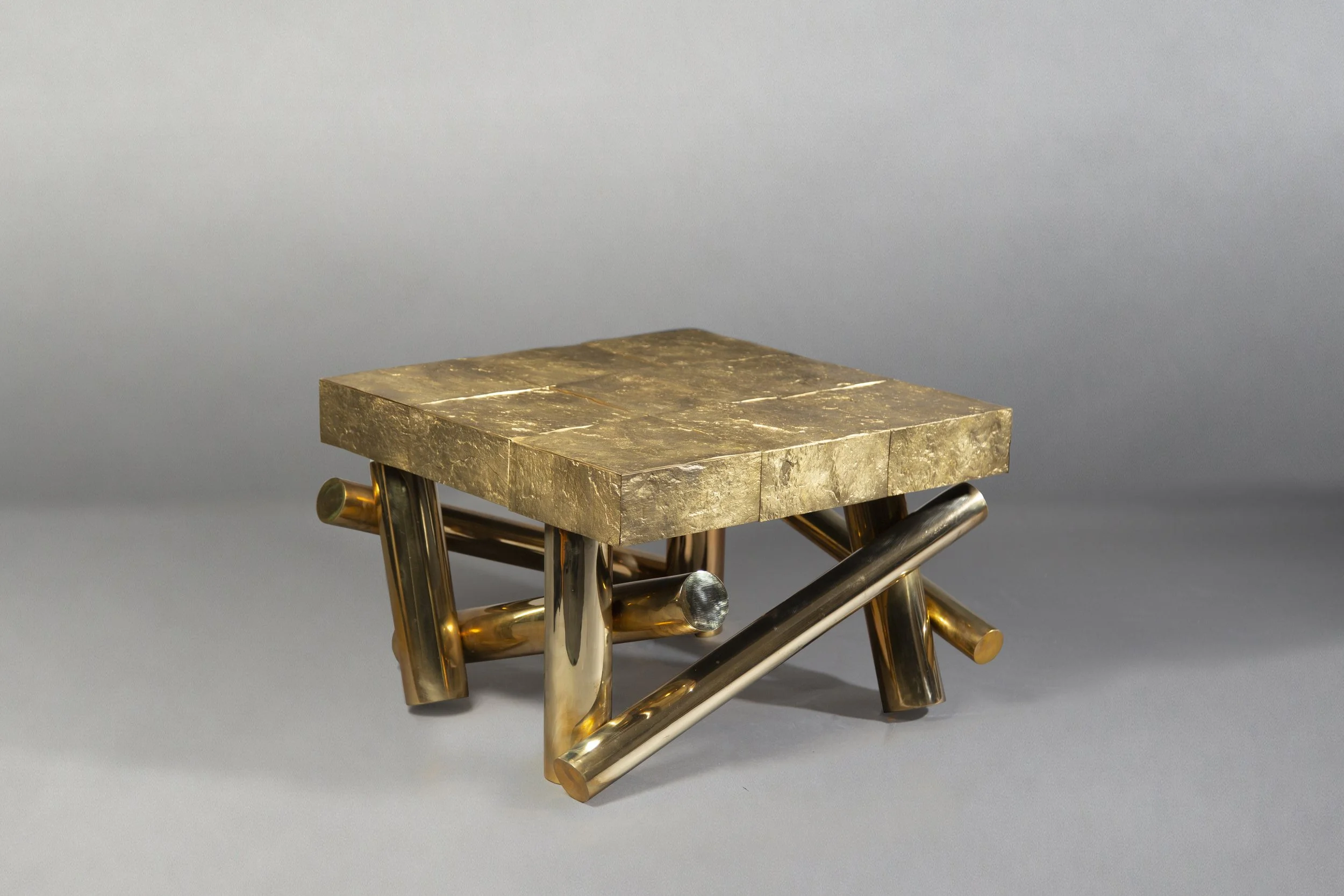
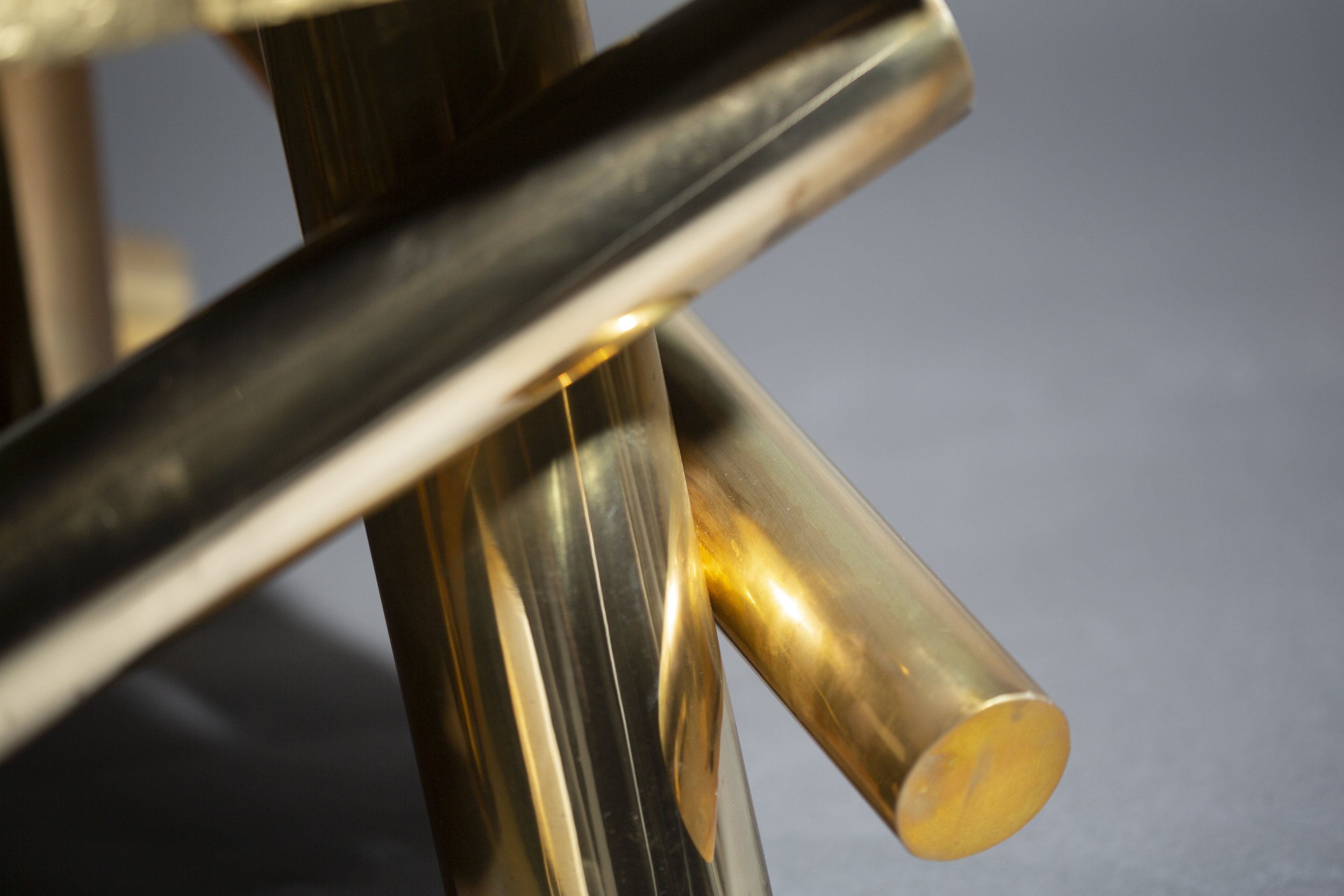
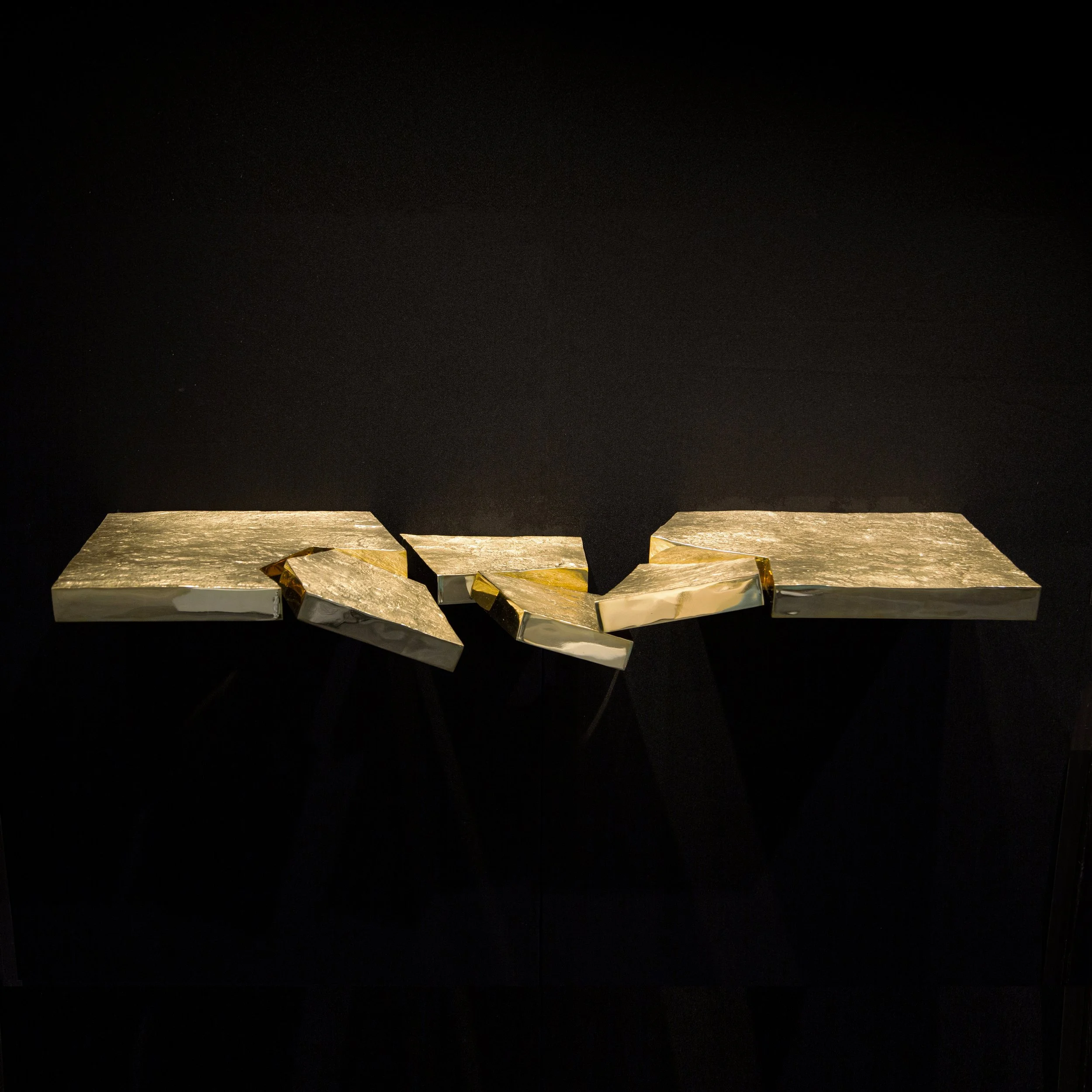
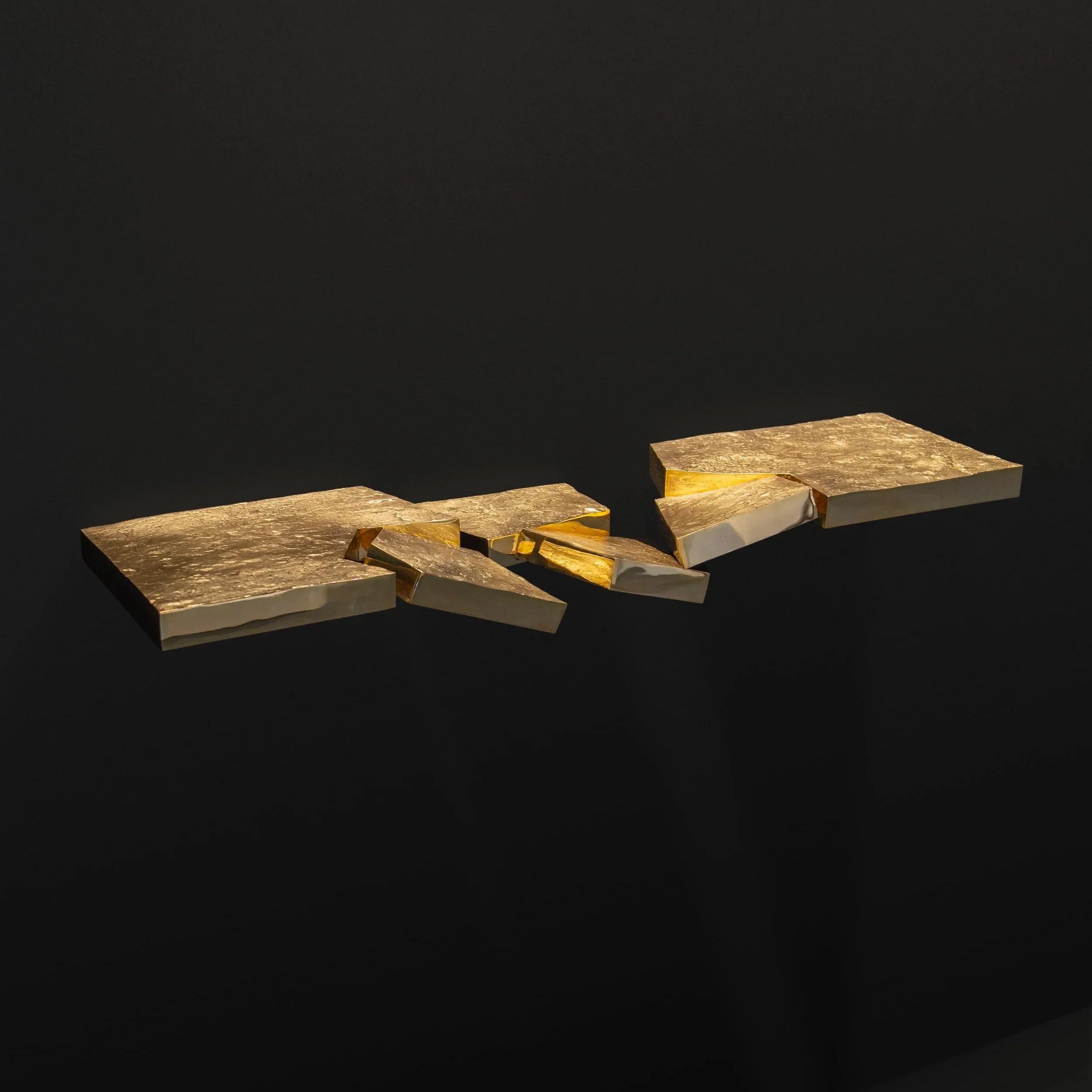
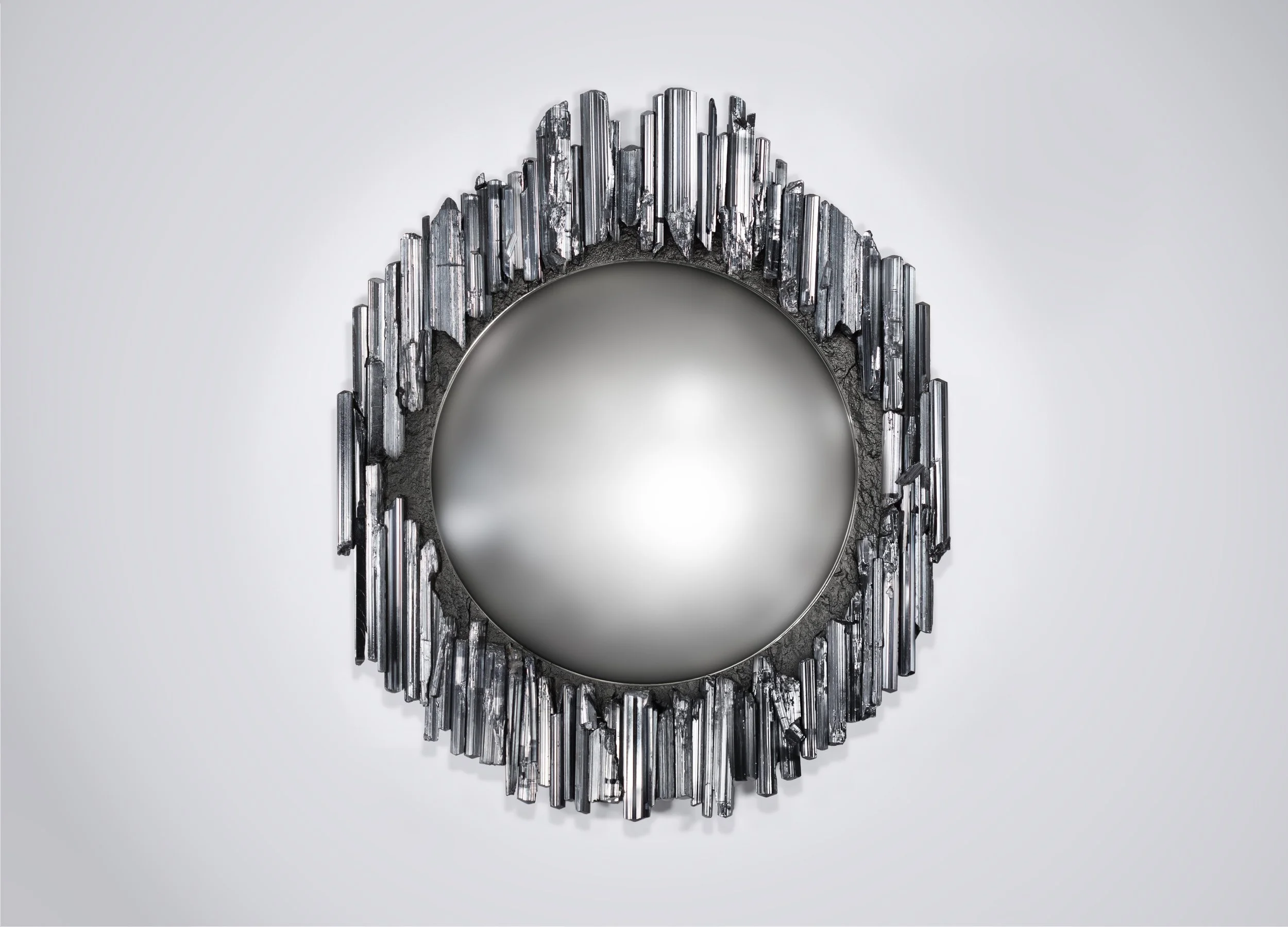
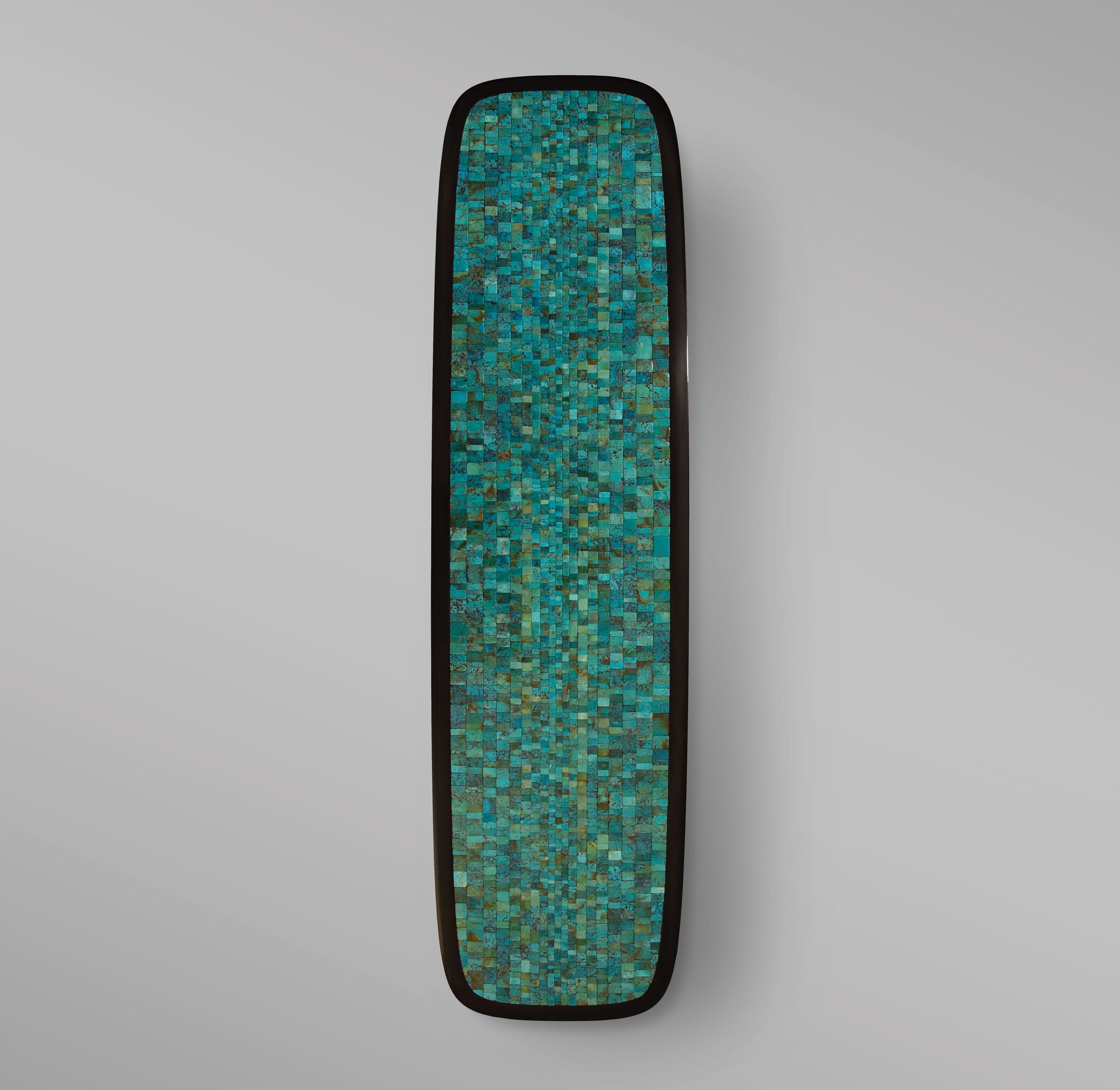
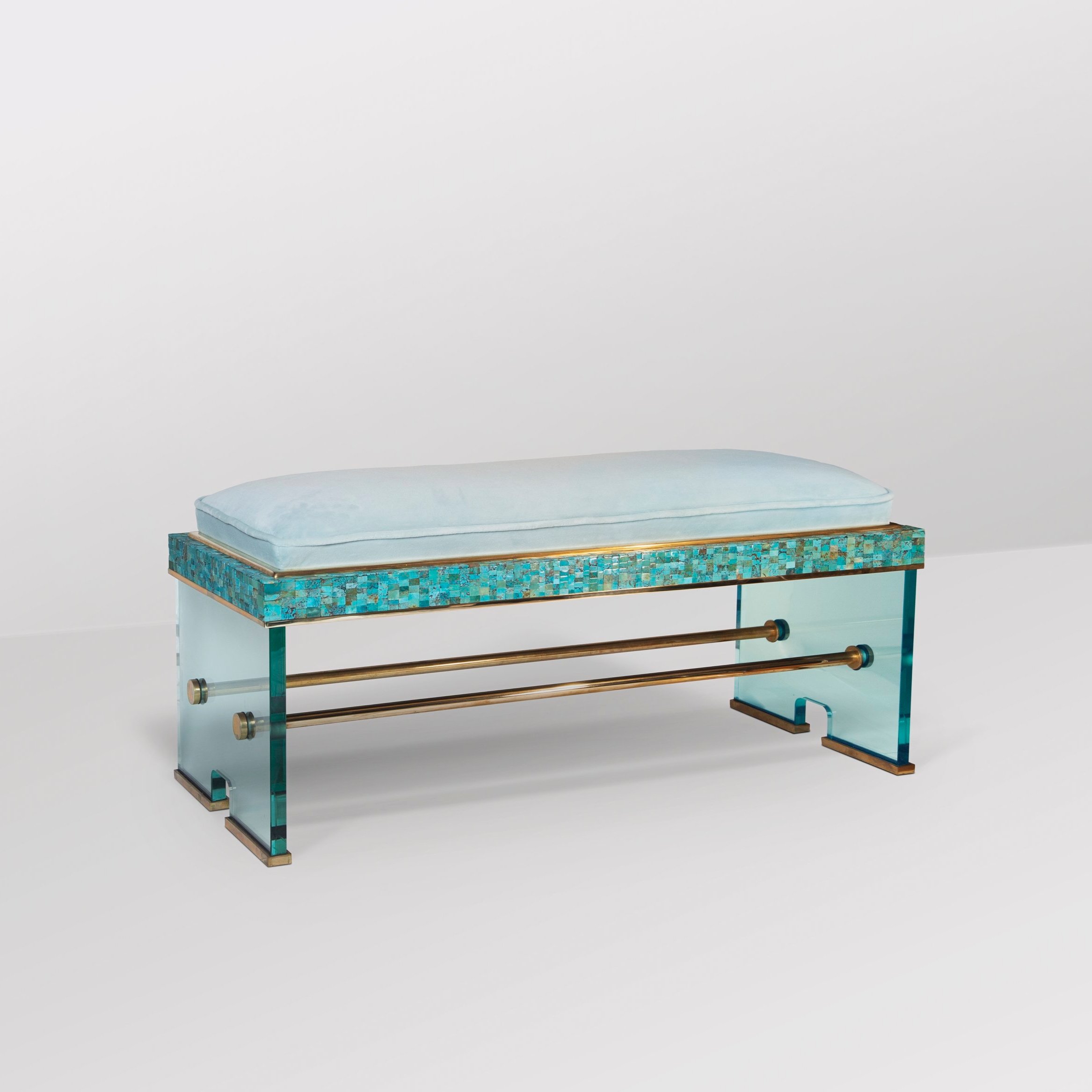
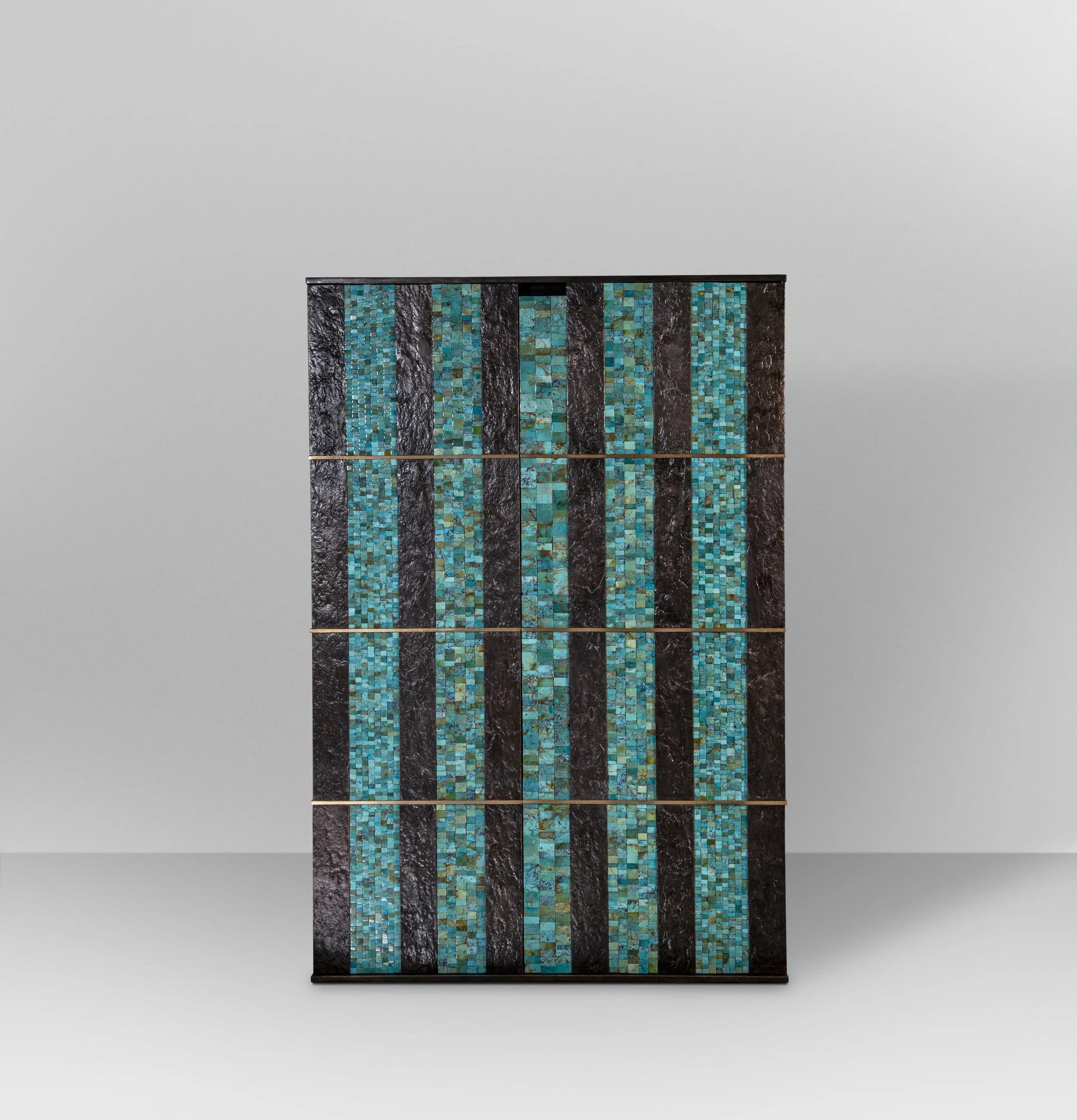
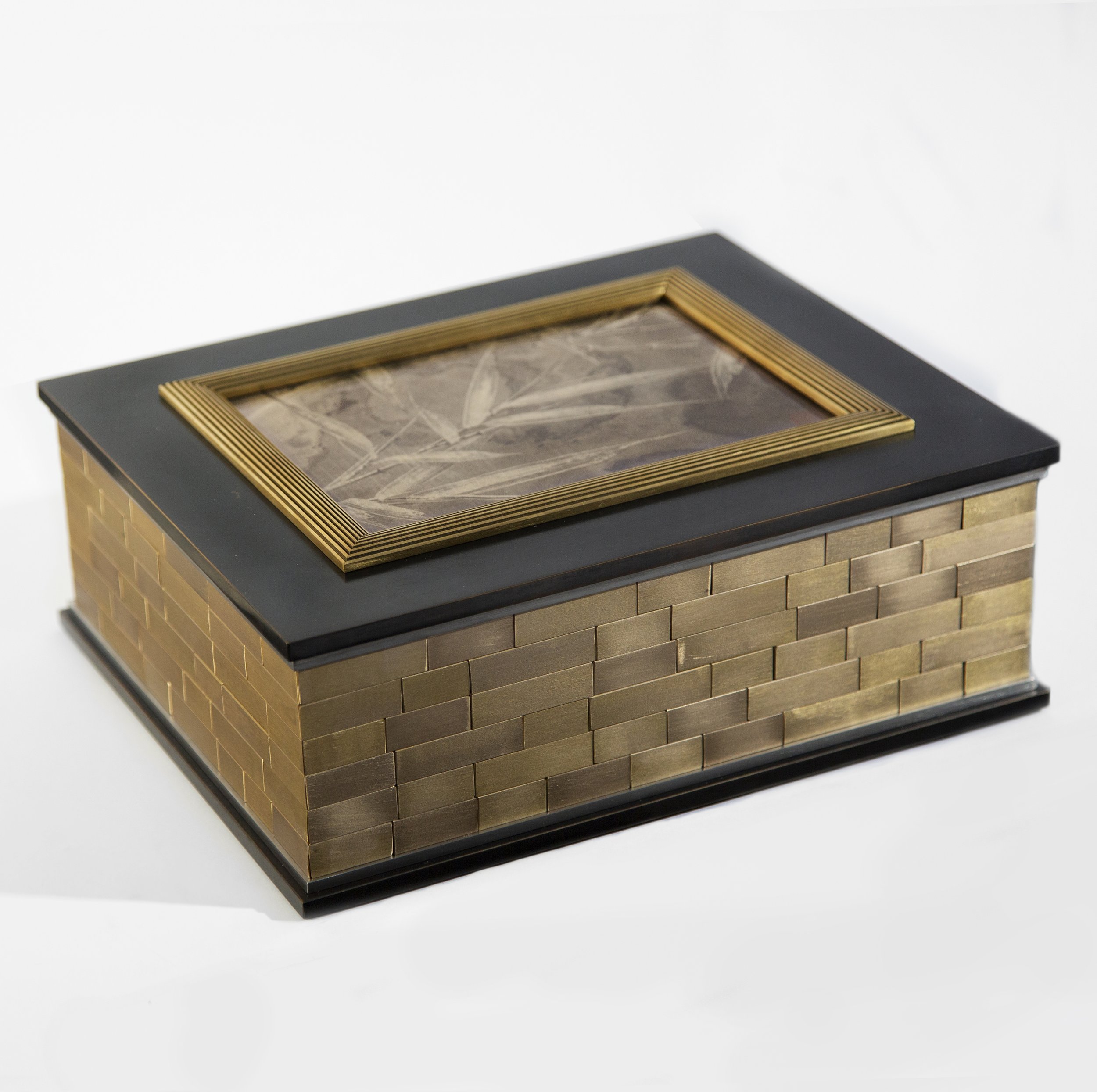
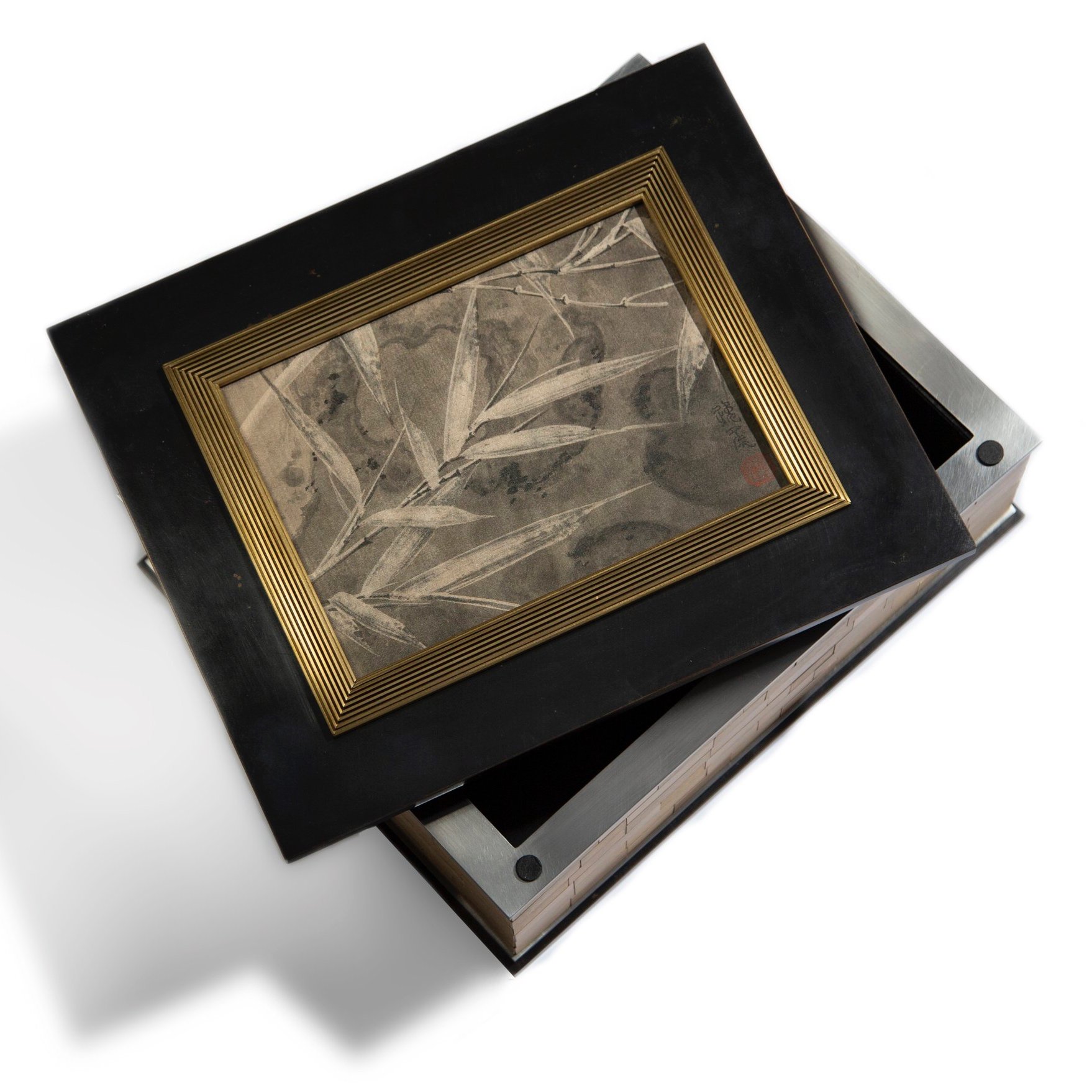
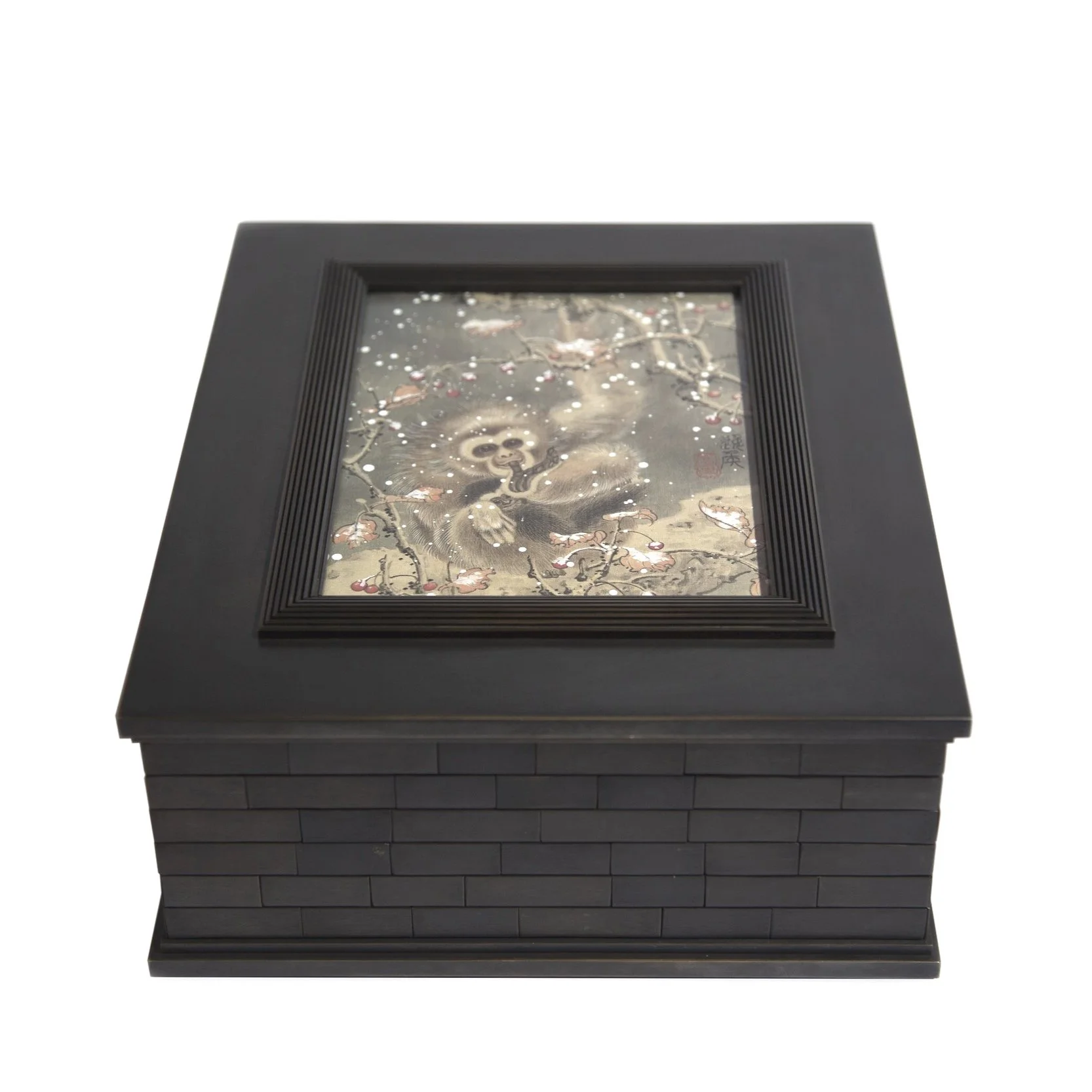
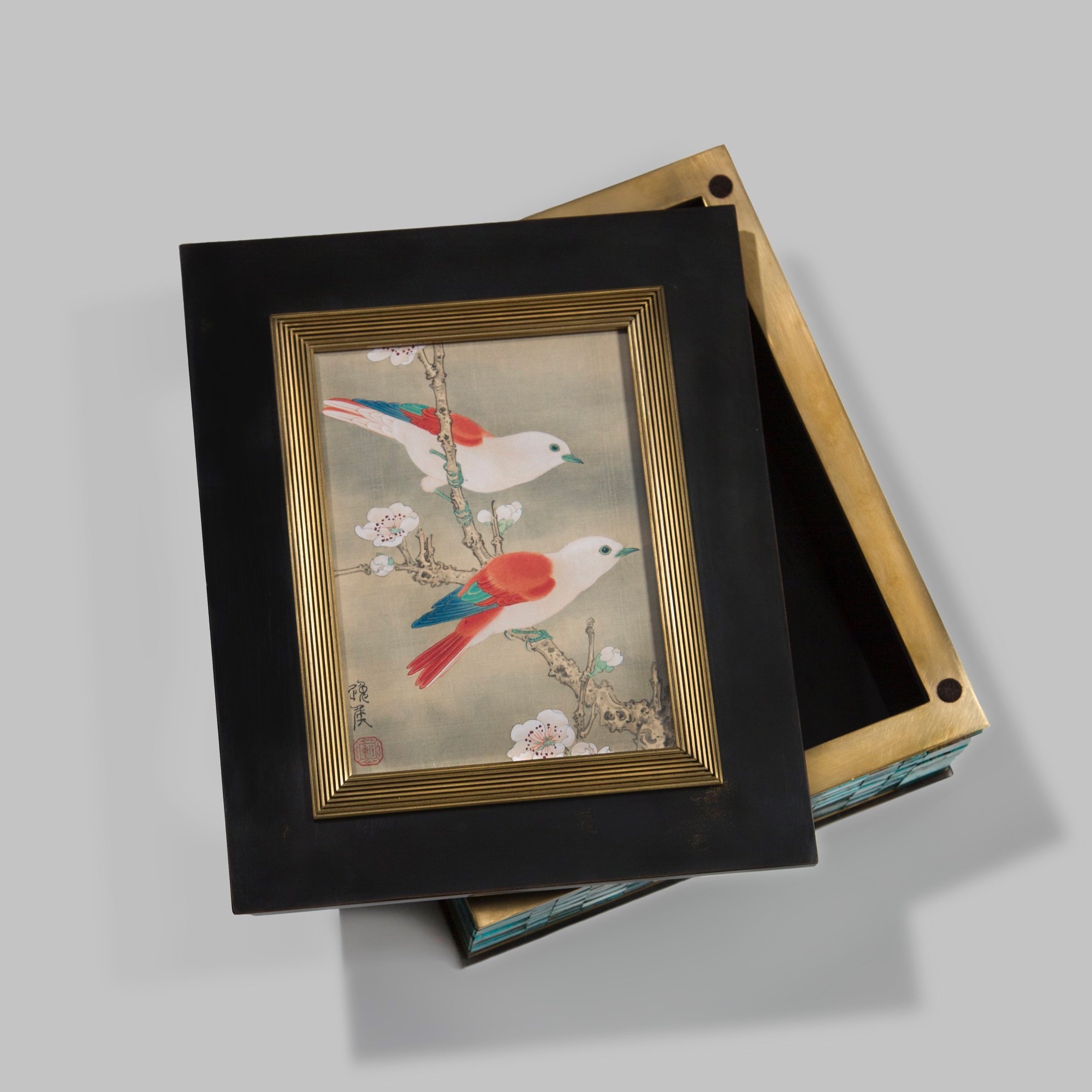
Adrian Choi responds to this aesthetic, updating it to the present. He eliminates distinctions between craft and art, function and profound meaning, in pursuit of sublimely superfluous delight—and a supremely elegant lifestyle.
Hugh Moss, Master of the Water, Pine and Stone Retreat